
If you have heard traditional Japanese music around New Year and wondered what it was called, two pieces are a good place to start: Michio Miyagi’s Haru no Umi and the gagaku piece Etenraku. Both are associated with the season, but their instruments, histories and musical textures are quite different.
This guide introduces seven pieces to listen to during Oshōgatsu, the Japanese New Year: seasonal favourites alongside koto music worth taking time to hear. Each selection includes a performance video and a suggestion for listening. At the end, we also introduce a work by composer Taro Ishida that brings the sounds of gagaku into contemporary music.
Contents
If you remember plucked strings paired with a long, breathy flute melody, the piece may be Haru no Umi. If you remember several wind instruments overlapping in a slowly unfolding ensemble texture, try Etenraku. Start with whichever sound seems familiar, or simply choose something that interests you.
| Piece | What to listen for |
|---|---|
| Haru no Umi | A koto and shakuhachi duet strongly associated with New Year. |
| Etenraku | The layered sound of gagaku, with shō, hichiriki and ryūteki. |
| Rokudan no Shirabe | Classical solo koto: the attack of each note and the resonance that follows. |
| Chidori no Kyoku | Voice and koto, with a musical world of birds and waterside scenery. |
| Sakura Variations | A familiar Japanese melody transformed through a koto ensemble. |
| Oshōgatsu | A song anticipating New Year, heard here as a koto solo. |
| Ichigetsu Ichijitsu | A song celebrating January 1, also performed on solo koto. |
The numbers indicate the order of the guide, rather than a popularity ranking. These pieces also come from different traditions and periods; not all were composed specifically for New Year.
Composer: Michio Miyagi · Instruments: koto and shakuhachi
Haru no Umi, often translated as “Sea in Spring,” is one of the pieces most closely associated with Japanese New Year. Miyagi composed it in 1929 for koto, a plucked zither, and shakuhachi, a bamboo flute. Although its sound may seem timeless, it is a twentieth-century composition with a known composer.
The work was written in connection with the theme of the 1930 imperial New Year poetry gathering: a rock by the sea. Scenery from Japan’s Seto Inland Sea lies behind the music. Waves, the movement of a boat and birdsong offer images to hold in mind as you listen, taking the piece beyond its familiar seasonal associations.
A koto note begins with a pluck, then gradually fades. A shakuhachi note is sustained by the player’s breath and can change character as it continues. Listen to how these two different ways of producing sound meet, and how the melody passes between the instruments.
Listen for: Stay beyond the opening and hear the passage where the music becomes more active. Notice how the impression of a calm sea changes as the piece unfolds.
Performed by members of the Miyagi Ensemble. Published by the official Miyagi Sōke channel, “The World of Michio Miyagi.” Listen on YouTube.
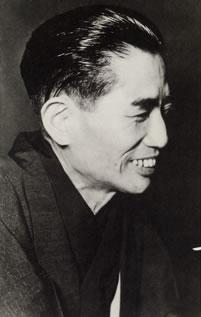
Tradition: gagaku · Version featured: Hyōjō Etenraku
Etenraku is one of the best-known pieces in gagaku, Japan’s tradition of court music and dance. The version most listeners encounter is Hyōjō Etenraku. Like Haru no Umi, it is familiar as New Year music, but its ensemble sound is very different from a duet for koto and shakuhachi.
In the instrumental ensemble form called kangen, the wind instruments include the shō, a mouth organ; the hichiriki, a small double-reed instrument; and the ryūteki, a transverse flute. Biwa lute, koto and percussion join them. Rather than following only a melody, notice how one instrument enters while another continues, and how their sounds overlap.
The video is a performance excerpt by the gagaku ensemble Reigakusha. Seeing the instruments while hearing them makes it a useful introduction if you are new to this music.
Listen for: Begin with the ensemble as a whole. Then choose an instrument that catches your ear and follow it through the texture. The same passage can sound different when you shift your attention.
Performed and published by Reigakusha. This video is an excerpt. Listen on YouTube.
For more background, read our guide to Etenraku. To hear these instrumental colours in contemporary music, continue to Taro Ishida’s Ryōō Ranjo below.
Tradition: classical koto music · Title: “Music in Six Sections”
Rokudan no Shirabe is a valuable starting point for classical koto music. As its title suggests, it consists of six sections. Traditionally attributed to Yatsuhashi Kengyō, it may also draw on earlier musical forms; its precise origins remain uncertain.
You may find it on New Year music collections, but it is performed throughout the year. Here we have chosen a solo koto performance. With one instrument, it is easier to hear the difference between the initial pluck and the resonance that remains afterward.
Listen for: Watch the left hand as well as the right. The right hand plucks the strings, while pressure from the left can change their pitch. Connecting these gestures with what you hear reveals more of the instrument’s expressive range.
Published by Senzoku Gakuen College of Music’s Traditional Japanese Music Digital Library. Listen on YouTube.
Composer: Yoshizawa Kengyō · Title: “Song of the Plovers”
If Haru no Umi or Rokudan no Shirabe leaves you wanting to explore further, try Chidori no Kyoku. This work combines singing with instrumental music, introducing another side of the koto tradition: playing and singing together.
Vocal passages alternate with an instrumental section known as tegoto. You might imagine birds and waterside scenery, or simply follow the relationship between the singing voice and the strings. It is not a piece reserved for New Year, but it rewards the time and attention that a quiet holiday can offer.
Listen for: The transition from singing to instruments alone. How does the character of the music change when the voice falls silent?
Published by Senzoku Gakuen College of Music’s Traditional Japanese Music Digital Library. Listen on YouTube.
Composer: Michio Miyagi · Instruments: two koto and a seventeen-string bass koto
Miyagi composed these variations in 1923, using the melody of Sakura Sakura. Even if you do not know the song’s name, you may recognise its tune. Two koto are joined by a jūshichigen, a seventeen-string instrument that provides a lower register.
A variation keeps a connection to an original theme while changing aspects such as rhythm, musical movement or accompaniment. Here, listening for the returning melody can help you find your way through the ensemble. Although the song’s cherry-blossom imagery belongs to spring, we have included this work as koto ensemble music to enjoy during the New Year holiday.
The performance features members of the Miyagi Ensemble and is published on the official Miyagi Sōke channel, “The World of Michio Miyagi.”
Listen for: Which instrument carries the melody at each point? Then turn your attention to the lower notes of the seventeen-string koto and hear how they add depth to the ensemble.
Performed by members of the Miyagi Ensemble. Published by the official Miyagi Sōke channel, “The World of Michio Miyagi.” Listen on YouTube.
Words: Kume Higashi · Music: Rentarō Taki · Featured version: solo koto
Kite flying, spinning tops, decorative balls and hanetsuki, a game played with wooden paddles and a shuttlecock: the song Oshōgatsu pictures children looking forward to New Year games. Its title means “New Year,” but the moment described in the song comes just before the year turns.
Here, Ichika Mori performs the melody on solo koto. The original is a song with words; this is an instrumental arrangement. If the tune is new to you, there is no need to know the Japanese lyrics. Follow its phrases and listen to the resonance left by each plucked string.
Listen for: How a vocal melody becomes a line on the koto. The next selection is played by the same musician on the same type of instrument, making it easy to compare the two melodies.
Koto performance and publication: Ichika Mori, Koto Pittoresque. An instrumental arrangement of the song. Listen on YouTube.
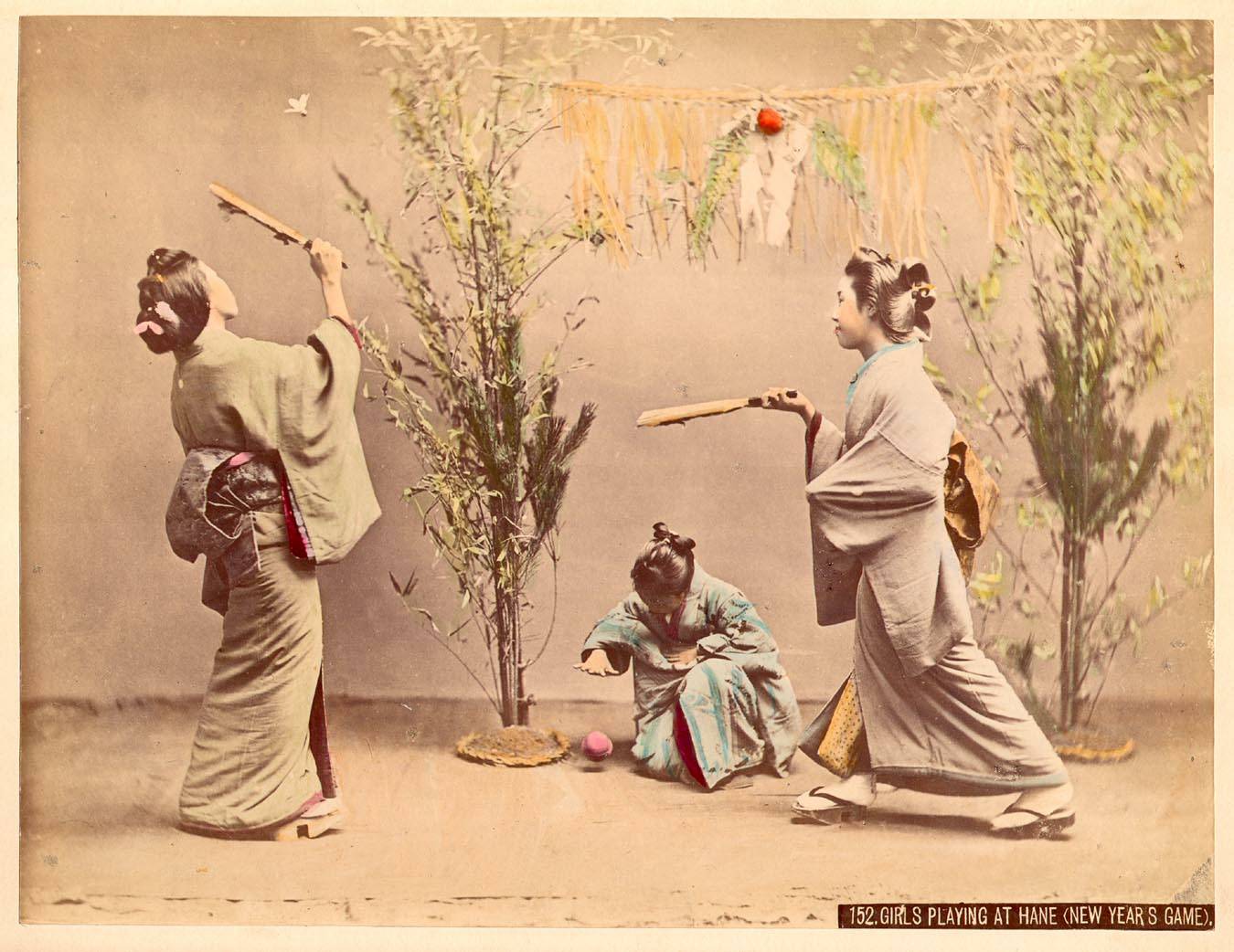
Words: Takatomi Senge · Music: Sanemichi Ue · Featured version: solo koto
Ichigetsu Ichijitsu, also read as Ichigatsu Ichijitsu, means “January 1.” It celebrates the arrival of the new year. Where Oshōgatsu anticipates the pleasures of the holiday, this song has a more formal sense of marking and celebrating the beginning of a year together.
We have again chosen a solo koto performance by Ichika Mori. Hearing the melody without its words offers another way into a song passed down through generations. You can approach it simply through the sound of the instrument, whether or not it carries any memories for you.
Listen for: Compare the rise and fall of the melody with Oshōgatsu, and notice where each phrase comes to rest. The same instrument can create a different impression from one piece to the next.
Koto performance and publication: Ichika Mori, Koto Pittoresque. An instrumental arrangement of the song. Listen on YouTube.
No. Haru no Umi was composed by Michio Miyagi for koto and shakuhachi. Its history and instrumentation differ from those of Etenraku. Gagaku is a particular musical tradition, rather than a general name for all music played on Japanese instruments.
The koto heard in Haru no Umi and Rokudan no Shirabe is a plucked zither with movable bridges beneath its strings. These bridges, called kotoji, can be repositioned to tune the instrument. In everyday Japanese, you may see the character 琴 used for “koto”; the more precise character for this instrument is 箏.
Of course. You can enjoy the seascape of Haru no Umi, the changing melody of Sakura Variations or the overlapping sounds of Etenraku at any time. Setting aside their seasonal associations can reveal details you might otherwise miss.
If the instrumental colours of Etenraku caught your attention, you may also enjoy hearing how those sounds enter music being created today.
Taro Ishida, composer and music director at Drifter, makes music in which gagaku instruments meet strings, piano and electronics. His work listens closely to the movement of sound and the sense of time within the classical tradition, while taking shape through collaboration with musicians working today.
Ryōō Ranjo (陵王乱序) is Ishida’s work drawing on material from classical gagaku. We introduce it here as a further listening path, rather than as a traditional New Year standard. The official music video offers a first encounter with its sound.
Taro Ishida, Ryōō Ranjo. Official music video. Listen on YouTube.
To hear more, listen to the full album TOKOYO on YouTube. For further performances and discussions of music and Japanese culture, visit Taro Ishida’s YouTube channel.
For a wider introduction to gagaku, koto, shamisen, folk songs and other traditions, continue with Traditional Japanese Music: 15 Styles to Listen to, with Videos.
Background information draws on the National Diet Library’s introduction to koto music, the official Michio Miyagi website, and Senzoku Gakuen College of Music’s Traditional Japanese Music Digital Library. These resources are in Japanese.
For gagaku instrumentation, see the National Theatre’s introduction to kangen. The scoring of Sakura Variations is documented in the published score’s library record. King Records’ Japanese New Year collection provides an example of seasonal programming.
Song credits are supported by Ongaku no Tomo’s complete works of Rentarō Taki and the library record for Shukusaijitsu Shōkashū. The alternative readings of Ichigetsu Ichijitsu are discussed in Doshisha Women’s College of Liberal Arts’ article on the song. Photograph sources and public-domain credits appear beneath each image. Videos are embedded from the credited publishers’ YouTube channels.
日本語版を読む · Read this article in Japanese.


