
Taro Ishida writes music in many forms: the layered sound of Japan’s ancient court music alongside strings, quiet pieces for solo piano, and songs written for film-like worlds and visual experiences. Here are a few places to begin listening.
If you are new to his music, the four-minute video for Ranjo makes a good introduction. Or simply follow whichever title draws your interest.
Contents
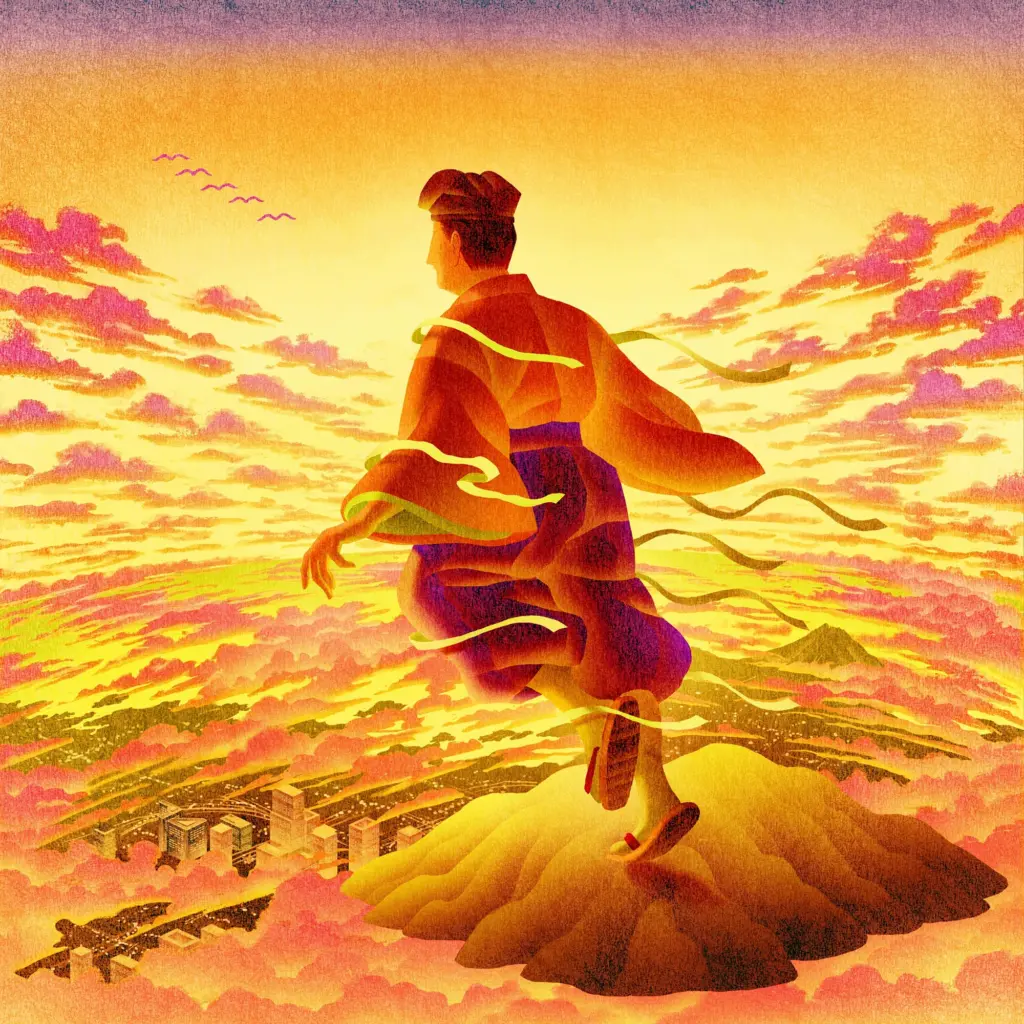
Could the dramatic sweep of a film soundtrack be brought into the sound world of gagaku, the court music of Japan? That question was one starting point for Ranjo.
Ishida reimagined a piece from the classical gagaku repertoire, adding strings and shaping the music around a distinctly emotional progression. It is one of his more openly dramatic works.
The music video is about four minutes long. If you have a moment, start here and listen with the images.
TOKOYO brings four traditional gagaku instruments—the hichiriki (double-reed pipe), ryūteki (transverse flute), shō (mouth organ) and gakubiwa (lute)—together with violin, viola, cello and piano. The album moves between reworkings of classical material and newly composed music.
Listen to the full TOKOYO album on YouTube / Spotify / Apple Music
At first, Ishida found it difficult even to imagine these instruments making music together. Their tuning, playing techniques and musical traditions differ; those differences were easier to hear than the possibilities they might open up.
Then came a thought: what would happen if four-year-old children were given these instruments? Before worrying about rules or cultural boundaries, perhaps they would simply begin to play together.
With that image in mind, Ishida worked closely with experienced performers, listening, trying things out and gradually building the album through shared experimentation. He hopes you will enjoy the unexpected sounds that emerge when these instruments meet.
Hear Ishida discuss the album (in Japanese)
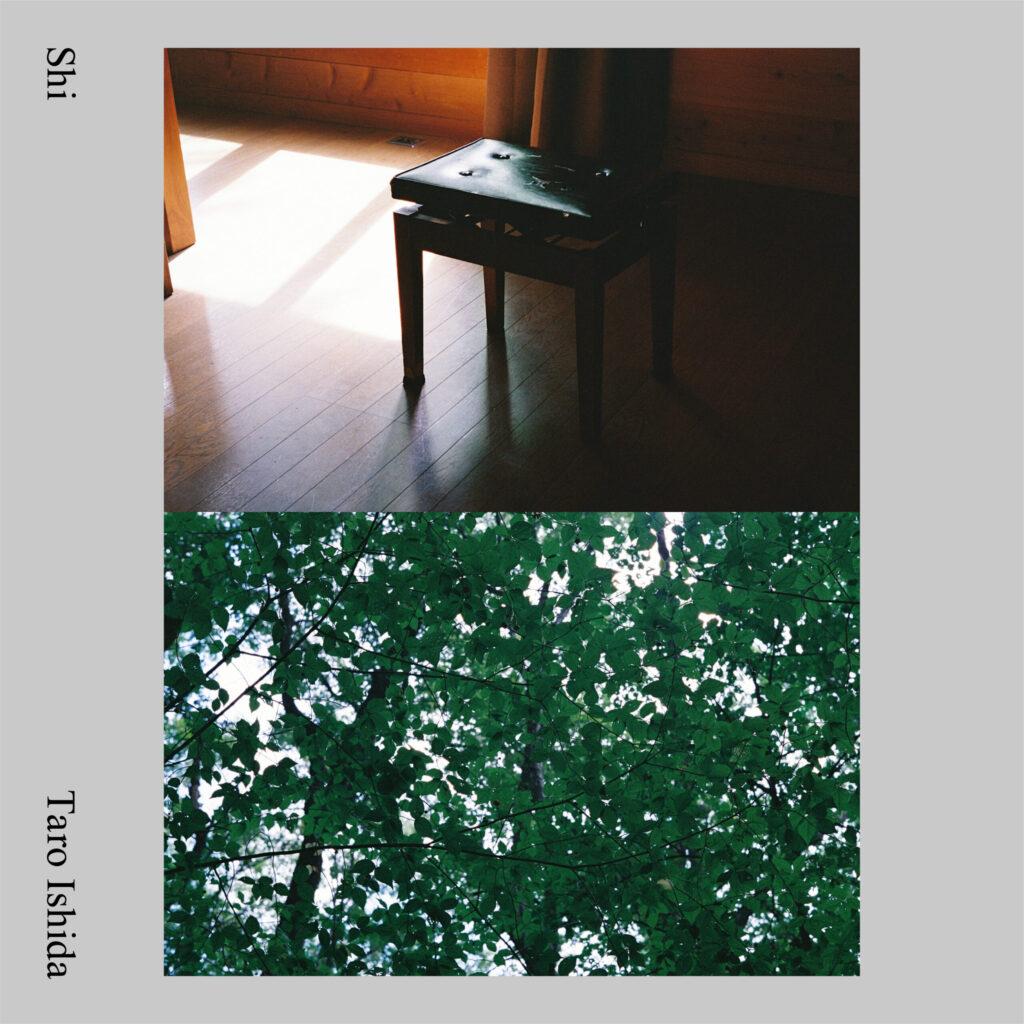
Much of Ishida’s work is made with other musicians. Yet composing itself is often a quiet, solitary activity: long hours spent alone, listening and searching for the next sound.
He wanted to meet his audience in that unguarded state, one person to another. This led him to begin performing solo piano in 2026.
Shi is a three-track release performed and recorded by Ishida himself. It includes his original pieces “Shi” and “Tabi”, alongside Erik Satie’s Airs à faire fuir No. 2. If you would like to hear that quieter side of his music, please give it a listen.
Listen to Shi on YouTube / Listen to all three tracks
Making music richer does not always mean adding more notes. Sometimes a very simple approach reveals beauty that was there all along but had gone unnoticed. This is an idea Ishida returns to in his compositions.
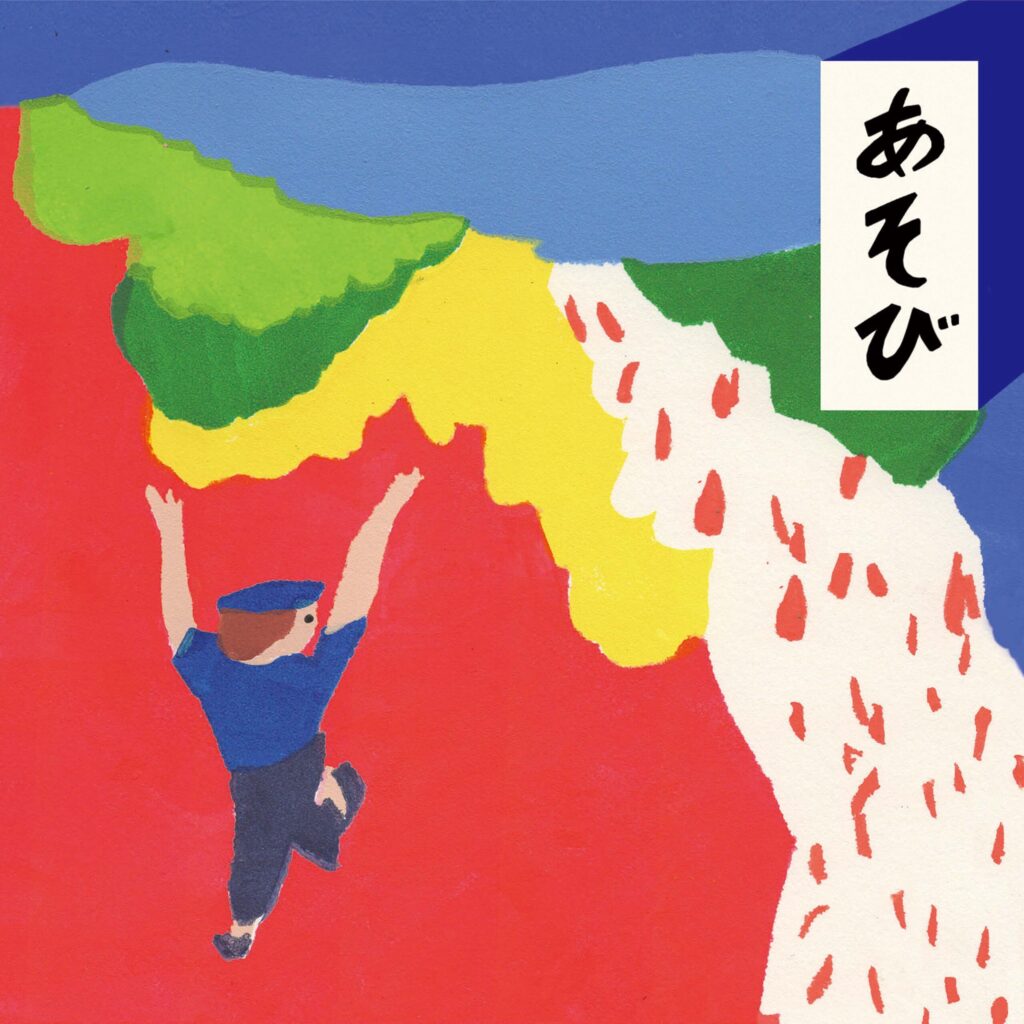
He finds the instruments of gagaku particularly beautiful when heard on their own: direct, unadorned, and full of character. Asobi is a solo piece for the gakubiwa, the Japanese lute used in gagaku.
It may sound quite unlike the court-music ensemble you imagine when you hear the word “gagaku”. Listen to the instrument by itself, played here by Kahoru Nakamura.
Ishida originally wrote the piece for an exhibition of chairs made by Indigenous peoples of Brazil at the Tokyo Metropolitan Teien Art Museum. The animal-shaped chairs were part of his inspiration.
Watch Asobi performed / Stream Asobi
Although Ishida is often associated with gagaku, he has also written a great deal of music for voices, from school songs to commercial music.
Here is “Bokura no Sekai” (“Our World”), sung by Manami Kakudo, a musician with whom Ishida regularly collaborates. Ishida wrote both the words and music for this song.
It was created for Night Flower: A Night Beneath the Stars on Iriomote Island, a planetarium production inspired by an island in Okinawa. The voice is joined by guitar, piano, strings and percussion. It offers another side of his work; we hope you enjoy it.
Listen to Bokura no Sekai / Stream the Night Flower soundtrack
These are only a few of the pieces Ishida has made. If something here speaks to you, we would be delighted if you explored more of his music.
On YouTube you can find performance videos and talks about music; on Instagram, news from rehearsals, recordings and concerts. You can also follow his artist profile or listen on Spotify and Apple Music.
Read the original article in Japanese
Other languages: 日本語 · English · Français · Deutsch · Español · Italiano · Português · Русский · 한국어 · 简体中文 · 繁體中文 · हिन्दी · العربية
