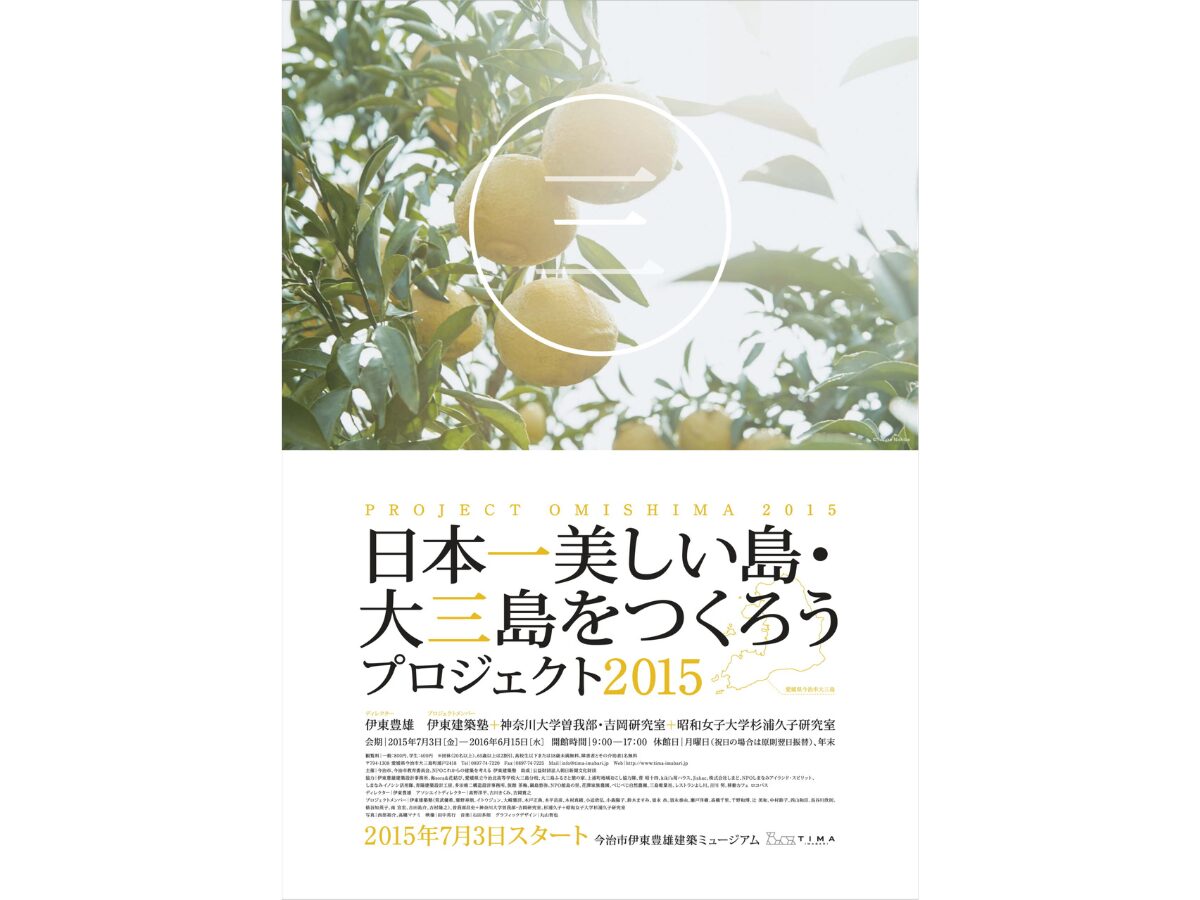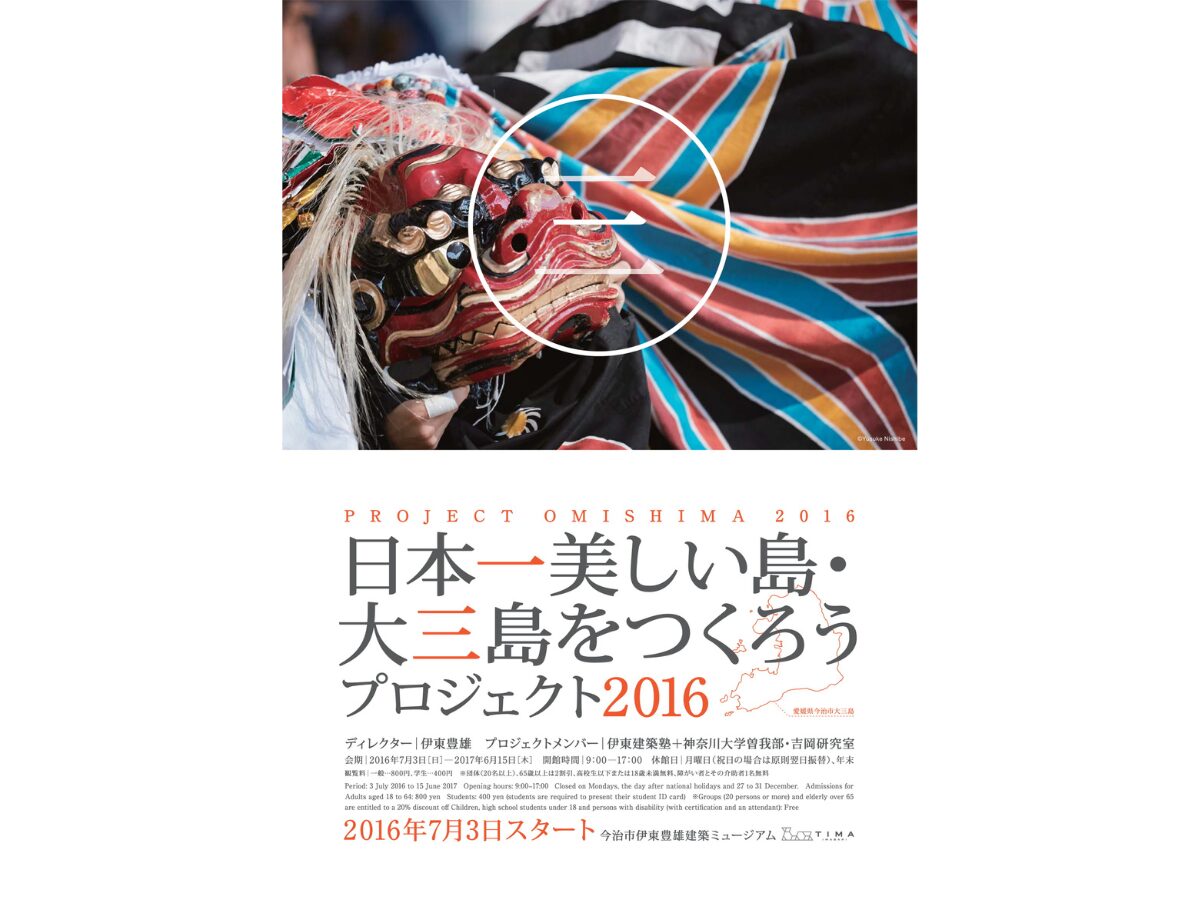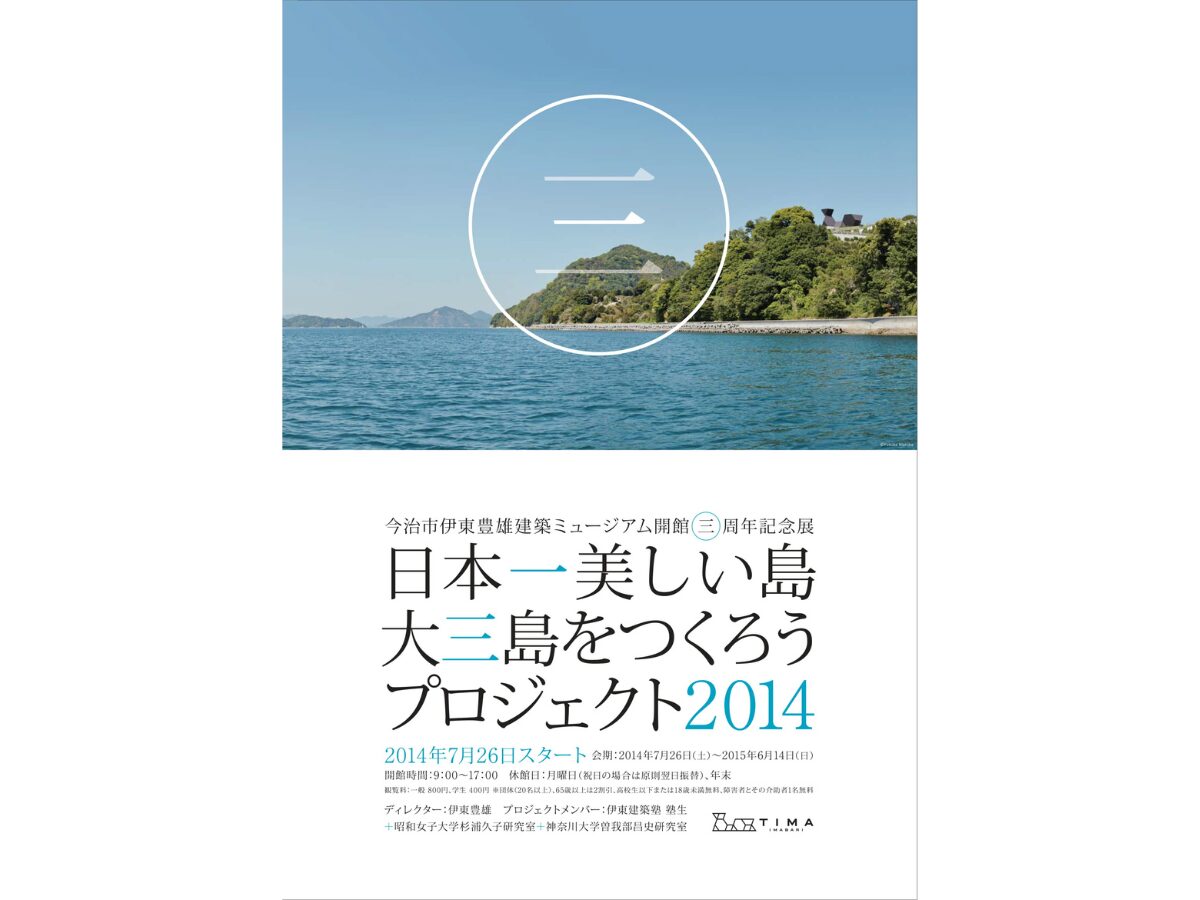

From 2014 to 2019, I was responsible for the music heard throughout the Toyo Ito Architecture Museum on Ōmishima Island in Imabari, Ehime Prefecture.
The commission was initiated by the Toyo Ito Architectural School, and the work continued over a six-year period.
From the outset, what was requested was not background music in a conventional sense.
The central question was how sound might exist in parallel with Toyo Ito’s architectural ideas—such as architecture that coexists with nature, and architecture that allows human freedom—without contradicting the space itself.
The music needed to avoid interfering with visitors’ understanding of the exhibitions, while gently opening perception and allowing the atmosphere of Ōmishima—the air, the pace of time, the surrounding environment—to be felt more directly.
The compositions were structured around piano and electronic sound, incorporating environmental sounds from the island itself.
Rather than guiding attention through melody or dramatic development, the music responds to the rhythm of the architecture and exhibitions—remaining nearly imperceptible, yet quietly sustaining the quality of the space.
One reason this project continued for six years was that the music was never treated as a finished, fixed element.
Each time the exhibitions changed, the sound was also revised.
I visited Ōmishima regularly, listened to the environment, and engaged in ongoing dialogue with Toyo Ito and the museum staff, reconsidering the role of sound in relation to the architecture and its evolving ideas.
As Toyo Ito’s own thinking shifted over time, the music likewise avoided becoming static.
It changed gradually, remaining responsive rather than definitive.
As a result, the sound receded into the background of the exhibition while functioning as an underlying layer—supporting visitors’ ability to focus on the architecture and to experience the slower, deeper sense of time unique to the island.
This project represents a long-term engagement with sound as an environmental and conceptual element, considering not only music itself but also ambient sound, duration, and the ongoing relationship between place and thought.