

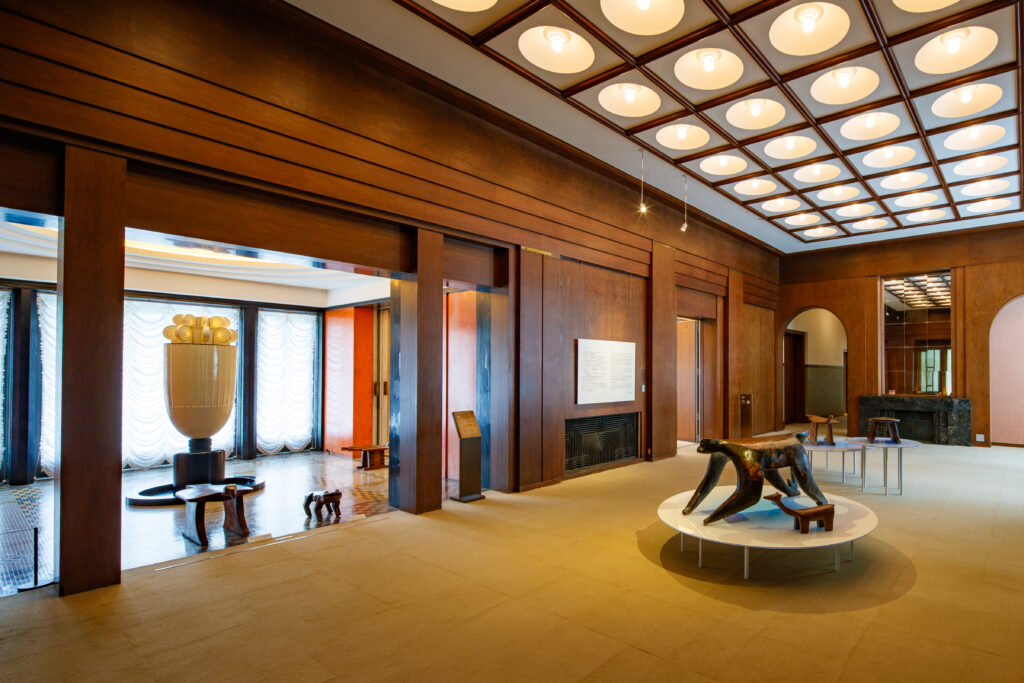
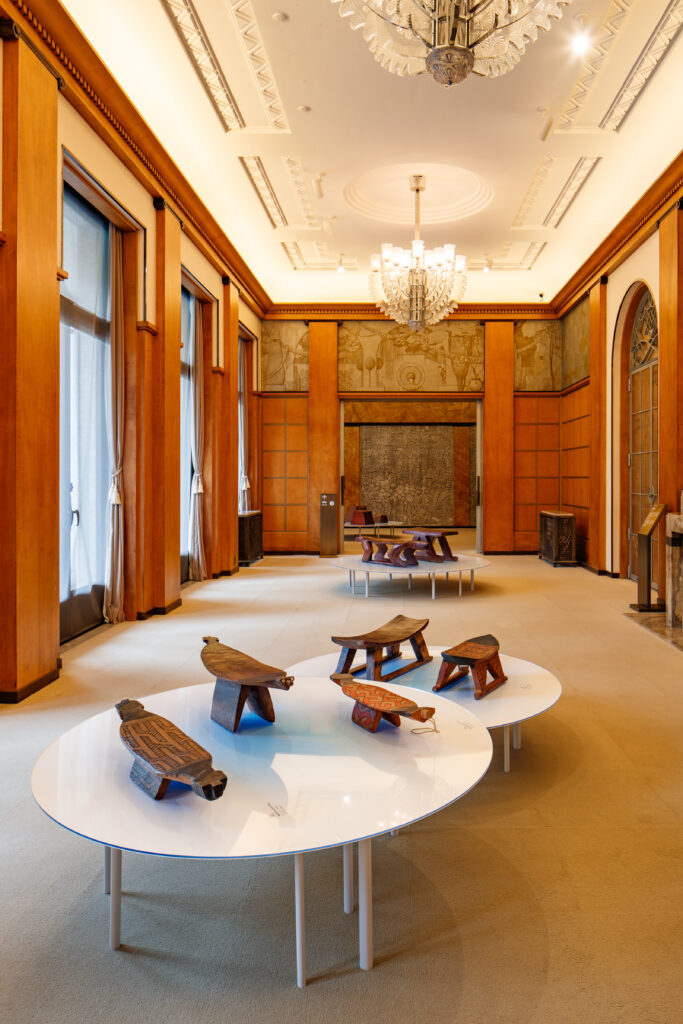
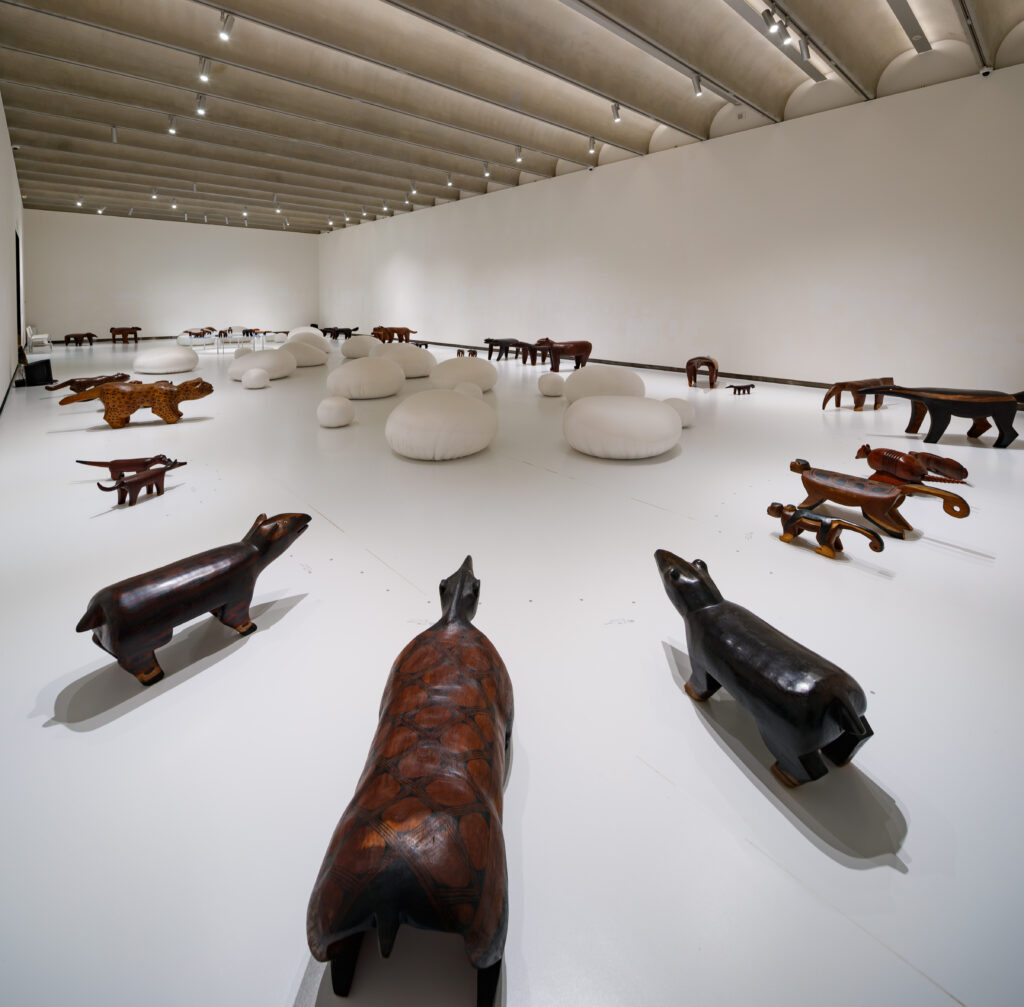
In summer 2018, Taro Ishida composed music for Brazilian Indigenous Chairs: Wild Animals and the Imagination at the Tokyo Metropolitan Teien Art Museum. Discussions with the project team, including museum director Toyojiro Hida, architect Toyo Ito and anthropologist Shinichi Nakazawa, led to a work for solo gakubiwa, the lute used in gagaku.
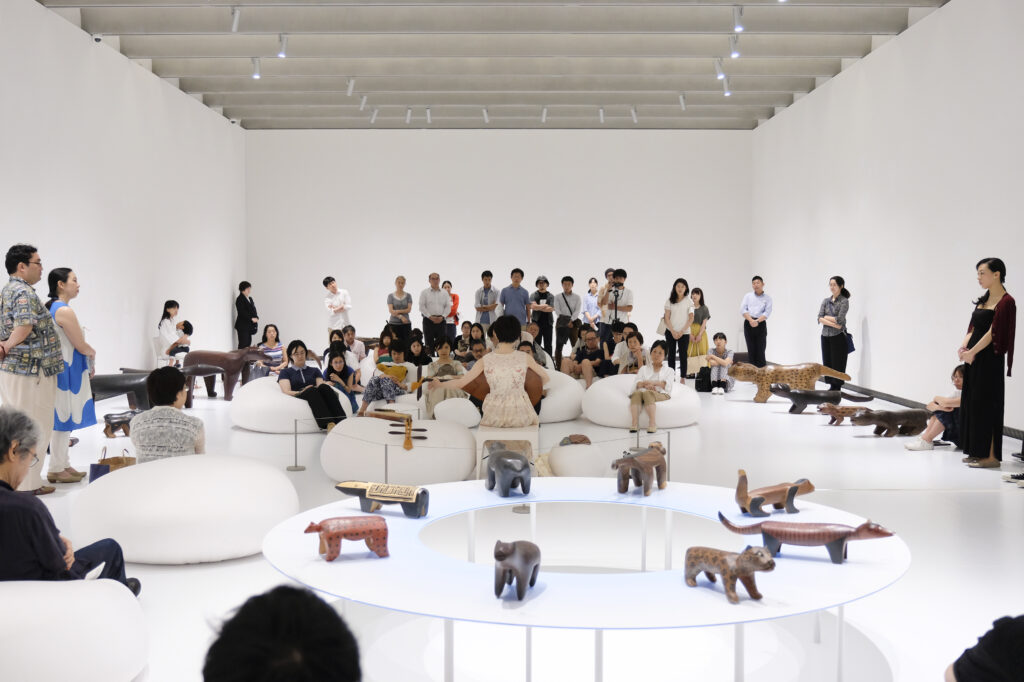
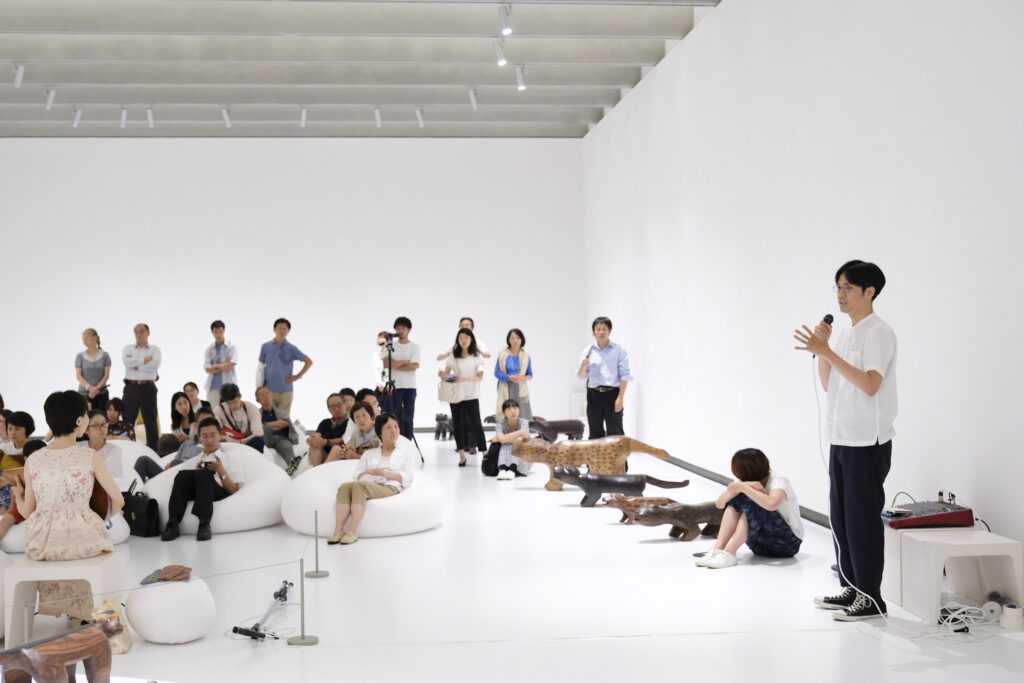
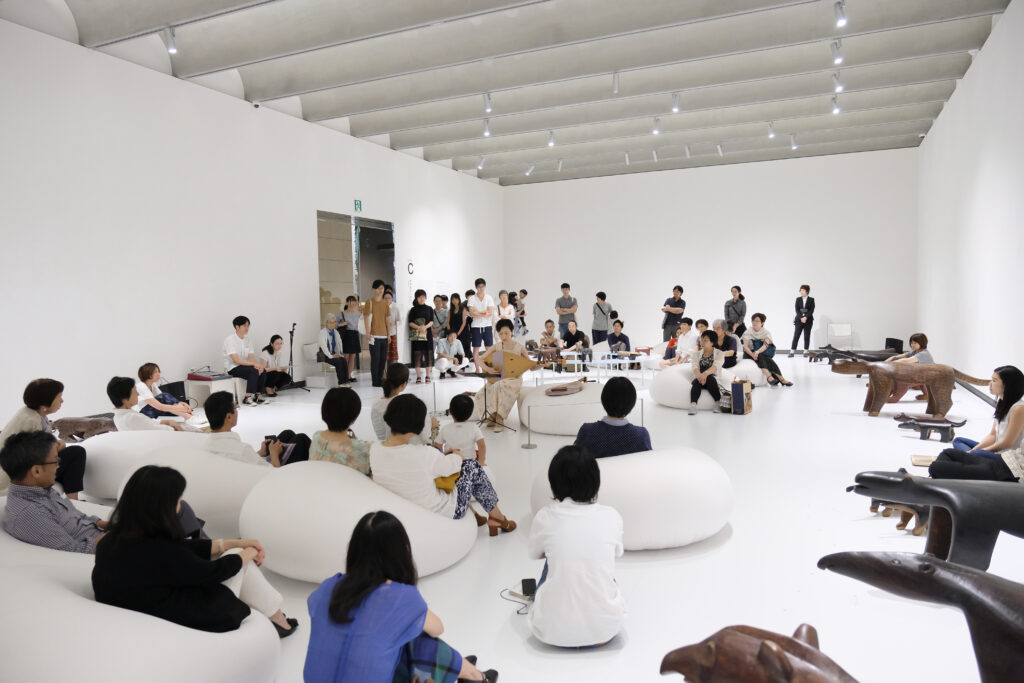
The piece was performed by Kahoru Nakamura. Its sound became part of the exhibition, and a solo concert at the museum gave visitors an opportunity to hear the instrument directly.
For Ishida, an exhibition about Brazilian Indigenous cultures did not automatically call for music that sounded Brazilian. He was concerned about how much regional knowledge and lived experience would be needed to make such a choice responsibly.
He explained this through an analogy: imagine an exhibition about Kanazawa accompanied by Okinawan music simply because both are Japanese. A broad geographical label could conceal a significant difference. A few months of study would not necessarily give him the understanding needed to avoid a comparable mismatch in Brazil.
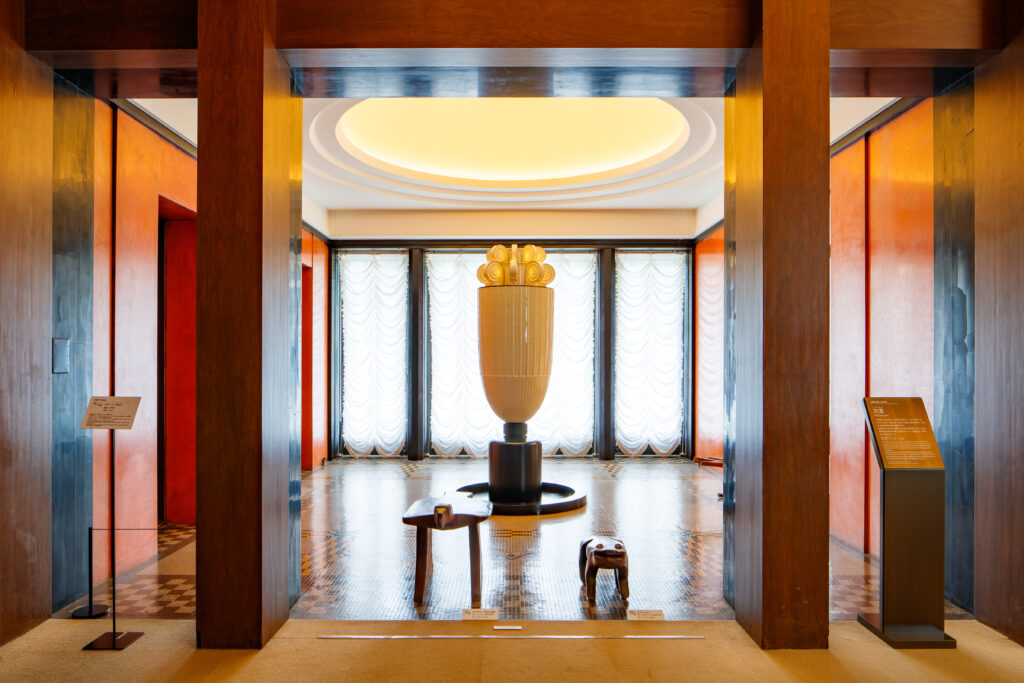
The question became how to make the chairs’ presence more vivid within this particular museum. The answer was to work with a sound that he knew closely, allowing a relationship between the objects, the room and the music to emerge.
Ishida felt both simplicity and refinement in the gakubiwa’s sound. Made from wood and strings, the instrument had a particular closeness to his own listening experience. He connected its short decay and the intervals between notes with his interest in sounds that appear and disappear.
In his original statement for the exhibition, he drew on Tōru Takemitsu’s writing about sound and nature. The thought became a vivid compositional image: the animals arriving from Brazil could roam and take flight through a landscape formed from the sound of the gakubiwa. For the brief duration of the exhibition, he imagined them enjoying the place as though on a journey.
The result was a solo piece attentive to resonance, silence and the surroundings in which it would be heard. Collaborating with Nakamura, a member of Reigakusha, allowed the musical idea to take shape through the instrument’s particular character.

Watch Kahoru Nakamura’s solo performance / Listen to the album Asobi
