
These 15 quiet piano pieces range from Satie and Debussy to Ryuichi Sakamoto, Nils Frahm and Taro Ishida. Each comes with an official video or recording, so you can find a piece that suits the evening and start listening.
Some leave space around each note. Others follow a gently unfolding melody or grow from a quiet opening into something more expansive. The guide below makes those differences easier to navigate, with the performer named for every selection.
For a familiar starting point, try Satie’s Gymnopédie No. 1. For a flowing melody, choose Debussy’s Rêverie. For an introduction to a contemporary Japanese composer, begin with Taro Ishida’s Shi.
Contents
Select a title to jump to its introduction and player. The numbers follow the order of the article. Recording levels vary, so begin at a low volume and adjust as you listen.
| Piece and composer | A starting point | Featured performer |
|---|---|---|
| 1. Gymnopédie No. 1Erik Satie | A gentle pulse and lingering resonance | Pascal Rogé |
| 2. Gnossienne No. 1Erik Satie | An elusive, ornamented melody | Alexandre Tharaud |
| 3. ShiTaro Ishida | An introduction to a contemporary Japanese composer | Taro Ishida |
| 4. AmbreNils Frahm | Following a repeating figure | Nils Frahm |
| 5. Für AlinaArvo Pärt | Sparse notes and the silence around them | Georgijs Osokins |
| 6. RêverieClaude Debussy | A gently unfolding melody | Bruce Liu |
| 7. Träumerei, Op. 15 No. 7Robert Schumann | A short, songlike piece | Vladimir Horowitz |
| 8. La fille aux cheveux de linClaude Debussy | A brief, gentle melodic journey | Víkingur Ólafsson |
| 9. TabiTaro Ishida | Hearing a composer at his own piano | Taro Ishida |
| 10. samanÓlafur Arnalds | A small piece at the end of the day | Ólafur Arnalds |
| 11. Clair de luneClaude Debussy | A quiet opening that grows in scope | Seong-Jin Cho |
| 12. Prelude in E minor, Op. 28 No. 4Frédéric Chopin | A short piece with darker shades | Alice Sara Ott |
| 13. Intermezzo in A major, Op. 118 No. 2Johannes Brahms | A lyrical piece with rich inner voices | Radu Lupu |
| 14. Pavane pour une infante défunteMaurice Ravel | A measured pace and changing sonorities | Bertrand Chamayou |
| 15. AquaRyuichi Sakamoto | The pacing of a composer’s own performance | Ryuichi Sakamoto |
These five pieces invite attention to the life of a sound: its beginning, its decay, and the moment another note arrives.
Piano: Pascal Rogé
A low note, a chord, and a melody that seems to hover above them: Satie’s first Gymnopédie is an inviting place to begin an evening of piano music. Its slow triple-time pulse offers a sense of continuity, while the melody’s placement gives the phrases a subtle looseness.
This performance by Pascal Rogé comes from Steinway & Sons’ official channel. The interest lies in small differences of weight and timing, and in the sound that remains between notes. A familiar piece can reveal more when there is no hurry to move on to the next one.
Listen on YouTube · Official channel: Steinway & Sons
Piano: Alexandre Tharaud
Satie’s first Gnossienne brings a more enigmatic character to a repeating accompaniment. Small ornaments interrupt the longer melodic notes, giving the music an almost conversational shape. The score famously omits bar lines, though a steady rhythmic pattern continues in the left hand.
Alexandre Tharaud’s performance, shared by medici.tv, offers a way into these details. Notice how a brief flourish changes the character of the note that follows it. The pace is unhurried, but the melody is full of little gestures.
Listen on YouTube · Official channel: medici.tv
Piano: Taro Ishida
Shi is an original piano piece by Taro Ishida, the Japanese composer who leads Drifter. Alongside his work with Japan’s gagaku tradition, Ishida writes and performs music for solo piano. He played and recorded the piano himself for this release.
Coming to it after Satie, one useful thread to follow is the space between notes: how a sound fades, and when the next phrase begins. The three-track release Shi places two of Ishida’s compositions alongside his performance of Satie’s Airs à faire fuir No. 2, bringing music from different periods together through one pianist.
Listen on YouTube · Official channel: Taro Ishida
Piano: Nils Frahm
Ambre appears on Nils Frahm’s Wintermusik. The recording here is published by his label, Erased Tapes. Repeating figures offer a thread to follow as small changes accumulate, making the return of a familiar pattern part of the pleasure of listening.
It is a good choice for an evening when a simple musical gesture holds more appeal than a long, unfolding melody. After the classical miniatures in this selection, it also offers another approach to the intimacy of a solo piano recording.
Listen on YouTube · Official channel: Erased Tapes
Piano: Georgijs Osokins
Written in 1976, Für Alina marked the beginning of Pärt’s tintinnabuli style. A melodic voice is paired with a voice drawn from the notes of a triad, creating a small piece in which each interval and resonance carries considerable weight.
The recording featured here is Georgijs Osokins’s performance, published by Deutsche Grammophon. It rewards attention to the decay of the sound as much as to the notes themselves. For an evening spent listening closely, its spareness leaves plenty to discover.
Listen on YouTube · Official channel: Deutsche Grammophon - DG
For evenings when a melodic line is what draws you in, these pieces offer distinct, compact musical journeys.
Piano: Bruce Liu
Composed in 1890, Rêverie is an early Debussy piano piece with an immediately approachable melody. The flowing accompaniment gives it continuity, while the changing harmonies alter the light around the tune.
Bruce Liu’s performance is shared here through Deutsche Grammophon. The title, often translated as “Reverie” or “Daydream,” offers an invitation to the imagination without requiring a particular story. It is a natural starting point for listeners drawn to melody and the changing colours of the piano.
Listen on YouTube · Official channel: Deutsche Grammophon - DG
Piano: Vladimir Horowitz
Träumerei is the seventh piece in Schumann’s Kinderszenen, or Scenes from Childhood. Its melody unfolds in a few short phrases, with moving inner voices adding depth beneath the familiar tune. A few minutes are enough for a complete musical experience.
The video is medici.tv’s official excerpt of Vladimir Horowitz performing in Moscow in 1986. As a concert film, it also includes the atmosphere around the performance. It is especially rewarding when you have time to watch as well as listen.
Listen on YouTube · Official channel: medici.tv
Piano: Víkingur Ólafsson
Known in English as The Girl with the Flaxen Hair, this is the eighth piece in Debussy’s first book of Préludes. A clear opening melody leads into fuller harmonies before the music settles again. Its compact shape makes it an easy piece to return to when time is short.
This performance is by Víkingur Ólafsson. Alongside Rêverie and Clair de lune, it offers another view of Debussy’s piano writing: a different melodic outline and a different balance of clarity and resonance.
Listen on YouTube · Official channel: Deutsche Grammophon - DG
Piano: Taro Ishida
Tabi is the second of Ishida’s original compositions on the release Shi, with the piano again performed and recorded by the composer. The full track is available through his official YouTube channel.
It can stand on its own, or follow Shi as a two-piece introduction to his piano music. Hearing both offers a simple comparison: how does the sense of time change from one composition to the other, even with the same performer and instrument? There is room to bring your own associations to the music.
Listen on YouTube · Official channel: Taro Ishida
Piano: Ólafur Arnalds
This miniature by Icelandic musician Ólafur Arnalds appears on re:member. The version linked here is the official album recording, lasting a little over two minutes. It is a manageable choice when the evening has room for just one short piece.
Its phrases can be heard as small, complete gestures, with attention to how each one begins and ends. Paired with Nils Frahm’s Ambre, it provides a further entry into contemporary piano music and the different kinds of intimacy it can create.
Listen on YouTube · Official channel: Ólafur Arnalds - Topic
Quiet piano music can still have a wide expressive range. These selections include fuller textures or a rise in tension along the way, making them rewarding choices for attentive listening.
Piano: Seong-Jin Cho
The third movement of Debussy’s Suite bergamasque begins gently, opens into flowing movement and fuller sonorities, then returns to calm. Its appeal includes that larger arc, so it is worth choosing when you want to follow a piece through its changes in intensity.
This is Seong-Jin Cho’s performance, published by Deutsche Grammophon. Hearing the whole piece, rather than just its familiar opening, gives the closing pages a different perspective. Allow a little uninterrupted time for its movement between stillness and expansion.
Listen on YouTube · Official channel: Deutsche Grammophon - DG
Piano: Alice Sara Ott
The fourth of Chopin’s 24 Preludes places a restrained melody above slowly changing repeated chords. The piece is brief, but its tension rises along the way. It suits an evening when you want music with a darker, more concentrated expression.
Alice Sara Ott’s recording is featured here. Beneath the economical melodic line, the harmony keeps shifting. Returning to the piece can draw attention to notes that first seemed to belong entirely to the background.
Listen on YouTube · Official channel: Alice Sara Ott - Topic
Piano: Radu Lupu
This Intermezzo comes from Brahms’s Six Pieces for Piano, Op. 118. Its broad melody is supported by active inner voices, and a contrasting central section leads back towards the opening music. There is more to follow here than the uppermost tune alone.
The recording is by Radu Lupu. With its changes of intensity and emotional weight, it is a piece for settling into an evening’s listening. The return of the opening offers a rewarding point of comparison: familiar material can feel different after the music that has come between.
Listen on YouTube · Official channel: Radu Lupu - Topic
Piano: Bertrand Chamayou
Ravel wrote this piano piece in 1899. Also well known in its orchestral form, Pavane for a Dead Princess is presented here in the solo piano version, performed by Bertrand Chamayou. A long melodic line and a measured accompaniment give the music its characteristic poise.
Changes in register and the density of the chords alter the breadth of the sound. Heard after Clair de lune, the piece offers an opportunity to compare how two composers create a sense of spaciousness at the piano.
Listen on YouTube · Official channel: Warner Classics
Piano: Ryuichi Sakamoto
Sakamoto performs Aqua in this official video from Opus, his solo piano concert film. A piece can take on a different character from one recording to another, and this performance is worth hearing on its own terms, with its particular pacing and spaces between phrases.
The film also brings the pianist’s physical presence into the listening experience. It is a fitting choice for an evening when you can give one performance your full attention, following both the melody and the time allowed around it.
Listen on YouTube · Official channel: Ryuichi Sakamoto
If the unhurried pulse of Gymnopédie No. 1 appeals to you, continue with Gnossienne No. 1 or Ambre. If you are drawn to Rêverie’s melody, try The Girl with the Flaxen Hair or Clair de lune. There is no need to work through the whole list in one sitting; returning to a single piece can be just as rewarding.
For more of Taro Ishida’s piano playing, the three-track release Shi brings together his originals Shi and Tabi with Satie’s Airs à faire fuir No. 2. Ishida performed and recorded the piano, with mixing by Yoshihisa Omata.
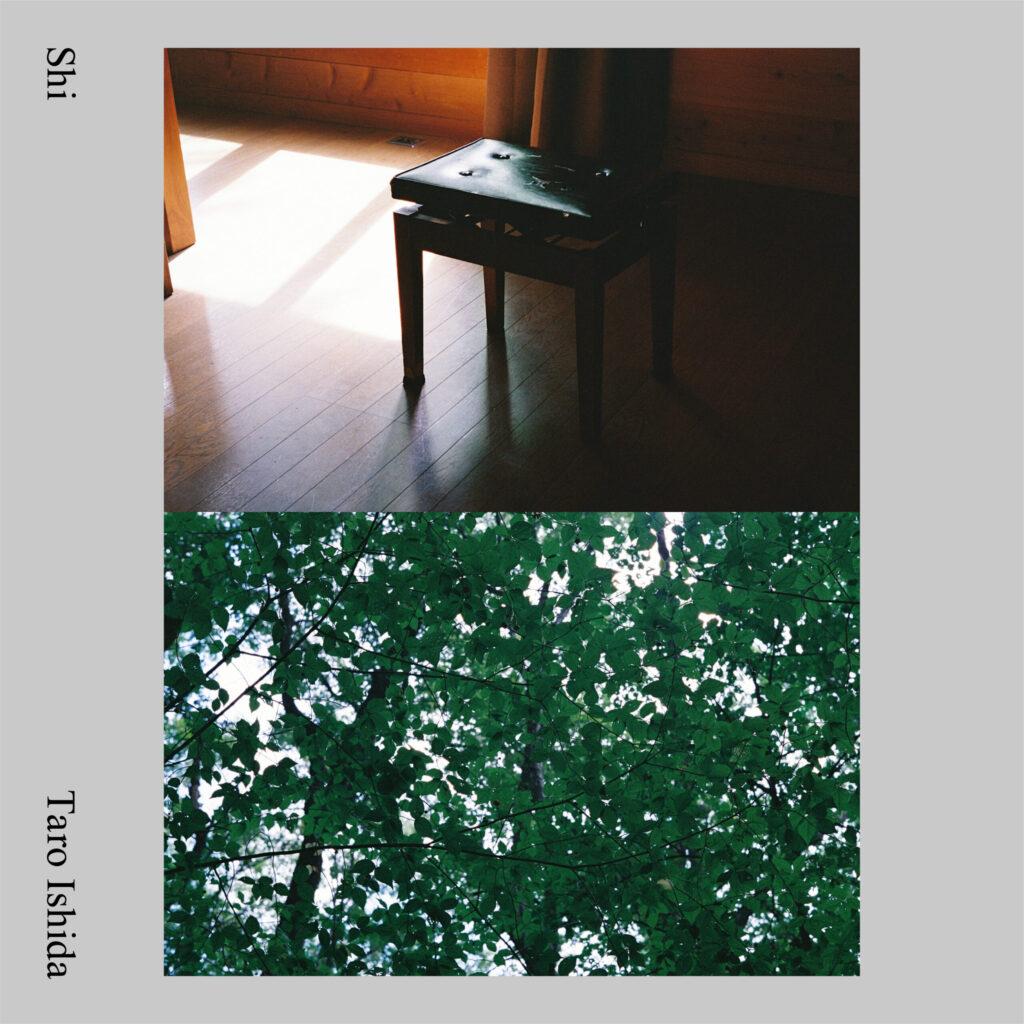
Listen to Shi on Spotify · Apple Music · Choose another music service
Choose a short piece and a comfortable volume. Even slow music can contain stronger passages, and concert videos may end with applause. For the last few minutes before sleep, a recording you already know makes its changes easier to anticipate.
Yes. Whether a piece stays in the background depends on both the music and your attention that evening. A recording that accompanies reading one day may draw you away from the page the next. A few minutes of listening is a useful way to decide.
Tempo is only part of it. The balance between voices, the spaces between phrases, pedalling, the instrument and the recording space all shape what you hear. Keeping a note of the performer as well as the title makes it easier to find the version you enjoyed.
Work titles and catalogue details were checked against the sources below and the official recording credits. The listening suggestions and groupings are editorial choices by Drifter. PTNA’s linked work notes are in Japanese; performer and publisher credits accompany each video.
