
Languages: 日本語 · English · Français · Deutsch · Español · Italiano · Português · Русский · 한국어 · 简体中文 · 繁體中文 · العربية · हिन्दी
I’m composer Taro Ishida. I compose new music for gagaku instruments, arrange existing works, direct music for film, stage and exhibitions, and produce recordings in collaboration with performers.
From the sounds of gagaku,
music that belongs to your project.
Dedication music for Kasama Inari Shrine, music direction for Kyōmei no Utage at Zōjō-ji, and Japanese traditional music arrangements and recording production for SHŌGUN. My work takes many forms: a solo gaku-biwa, a stage where gagaku and strings resonate together, or a collaboration with a band.
At the root of these projects is my interest in the time each sound inhabits, and the place in which it sounds. Here, I introduce the works themselves, how they were made, and the thinking behind them.
Listen / Selected work / Discuss a project
On this page
Even with the same gagaku instruments, music can take on very different characters. An expansive ensemble, or the lingering resonance of a single instrument: these two contrasting works offer a place to begin.
Taking the classical gagaku piece Ryōō Ranjo as its starting point, this work layers gagaku instruments with strings, piano and electronics. I explored the sense of music gathering momentum as the sounds of different instruments interact.
Composed for an exhibition at the Tokyo Metropolitan Teien Art Museum. Each note of Kahoru Nakamura’s gaku-biwa spreads into the space. The time it takes a sound to fade, and the quiet between notes, are also part of the work.
For more works and albums, visit Listen to Taro Ishida’s music.
New music for a ritual, music for film and television, a museum space, or a concert with an artist. My first questions are about what matters to the project, and what role its music should play. From there, I consider the ensemble and the approach to composition.
Role: composition, music direction and performance

On 9 April 2026, I premiered new dedication music at the annual grand festival of Kasama Inari Shrine. Four gagaku musicians, three string players and I performed music created for this occasion alongside classical gagaku and mikagura, the sacred music of Shinto ritual.
The sequence of the ritual, the place of dedication, and the people gathered there: I composed and directed the music as a whole while considering how new sounds might resonate within these relationships. This work continues an involvement that began with the 2025 dedication concert marking the renovation of the shrine’s main sanctuary.
Making the annual festival music / The 2025 dedication concert / Music for shrines and rituals
Role: music direction, composition, arrangements and performance
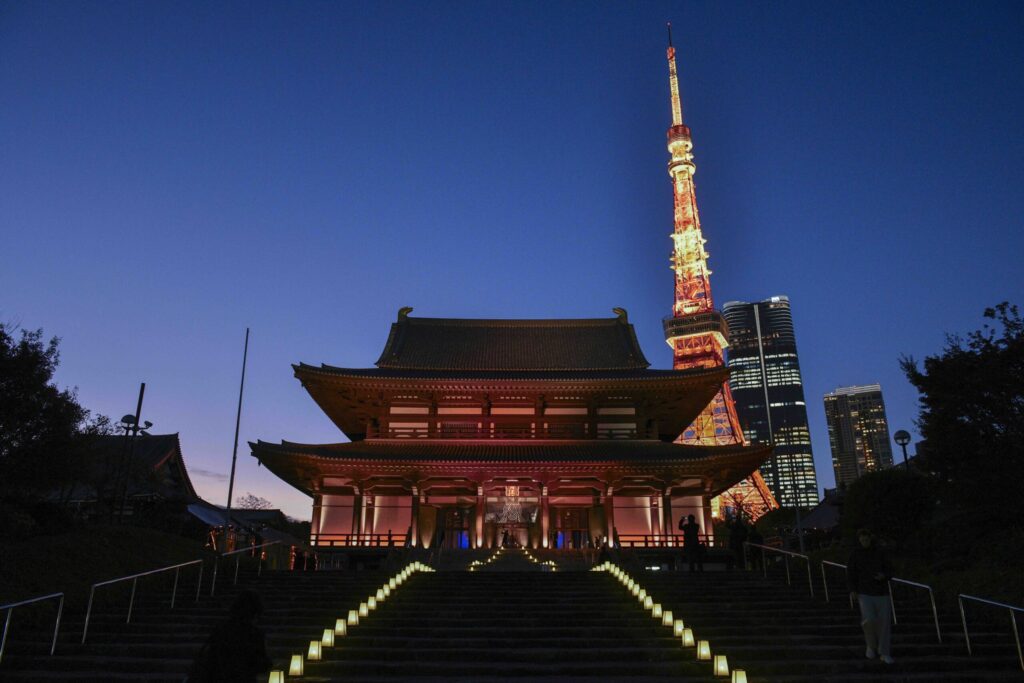
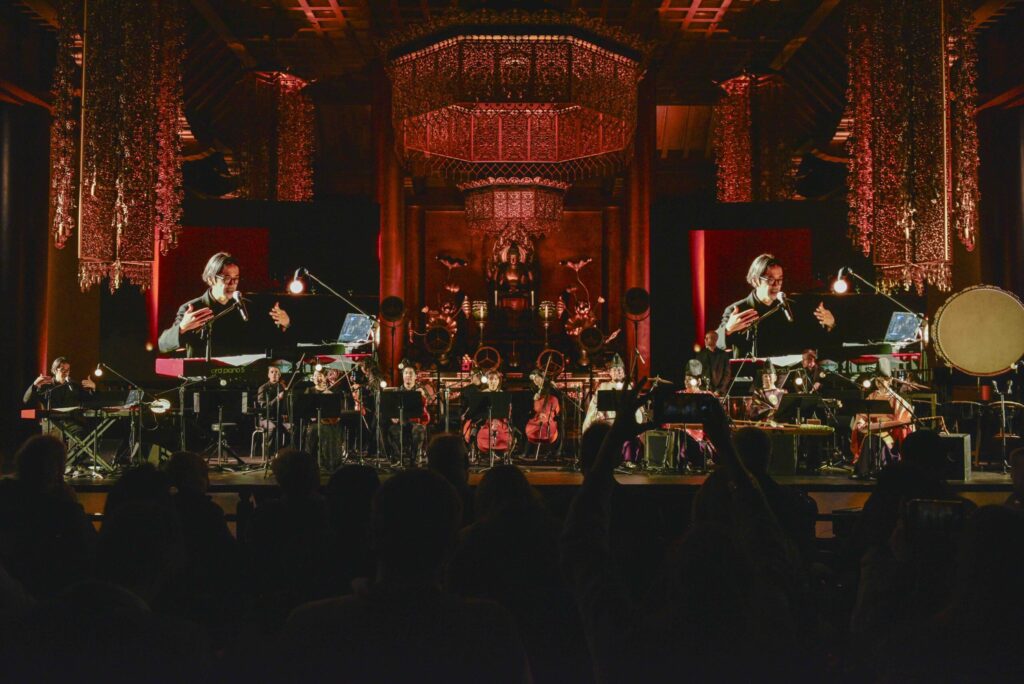
I served as music director for the entire True Colors Festival SPECIAL CONCERT, Kyōmei no Utage, held at Zōjō-ji on 4 December 2025. The concert brought together gagaku, Western instruments and performers from diverse backgrounds in a shared musical space.
I arranged Ryuichi Sakamoto’s Merry Christmas Mr. Lawrence and created new music for the finale, considering both the sound of each piece and the flow that would emerge across the concert. In my work as a music director, I build the music of the whole performance through dialogue with the artists and the stage production team.
Making the concert / Official highlights video / The organiser’s concert report (Japanese)
Role: Japanese traditional music arrangements and recording production in Japan for Season 1


I joined SHŌGUN as the overall arranger for Japanese traditional music. The score for the series was composed by Atticus Ross, Leopold Ross and Nick Chuba. Through ongoing exchanges with them, I arranged gagaku, shōmyō Buddhist chant and other traditional music, and produced recordings with performers in Japan.
I proposed possibilities for instruments and voices, developed phrases, and tested them through recording. My role was to connect the composers’ music with the sounds created by Japanese performers. I also join projects that already have a composer or music director, taking responsibility for the areas where my contribution is needed.
My role and the production / Inside the recording sessions / For film, television and game productions
An interview with the composers (Awards Daily, in English) also discusses their experiments and recording work with Japanese musicians.
Role: composition
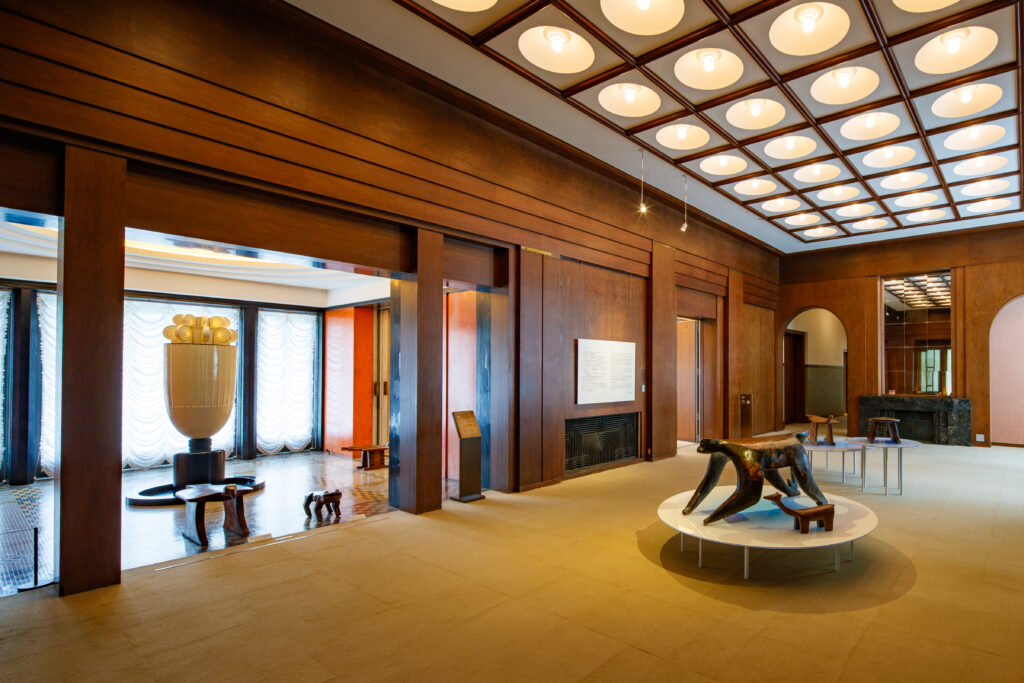
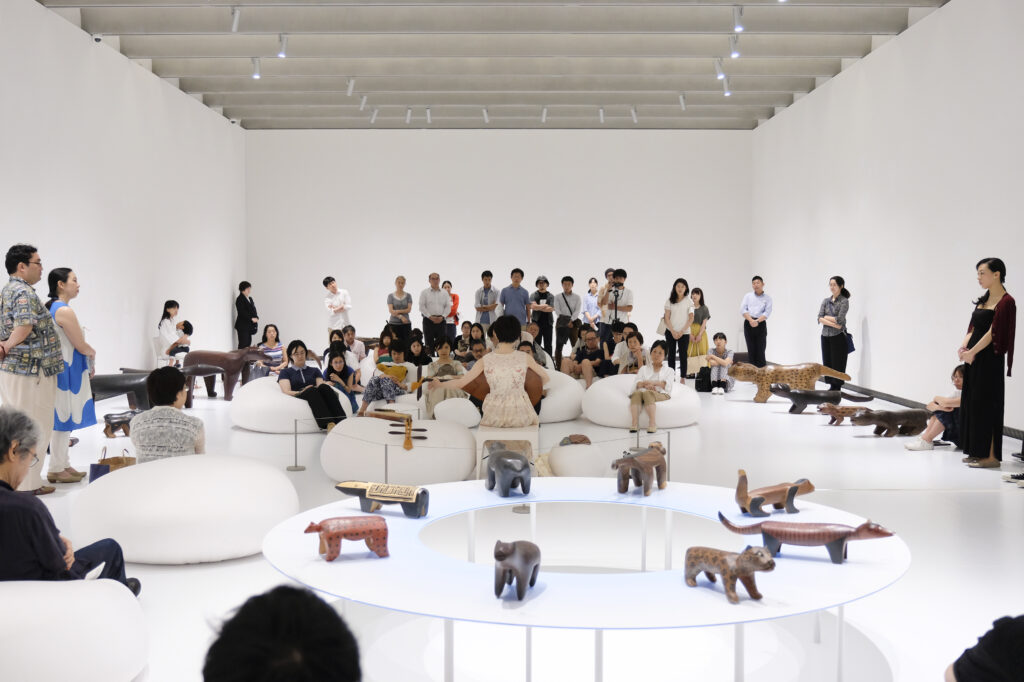
For the museum’s 2018 exhibition of indigenous Brazilian chairs, Wild Animals and Imagination, I composed Asobi for solo gaku-biwa, performed by Kahoru Nakamura. I approached the music through the animal-shaped chairs on display, the museum’s architecture, and the time experienced by people walking through it.
What kind of space could sound create in response to the exhibition’s theme? Through a series of presentations with museum director Toyojirō Hida, Toyo Ito, Shinichi Nakazawa and others, I arrived at the resonance of a single gaku-biwa. The work was also performed in a concert accompanying the exhibition.
The composition and its background / The museum’s official concert information (Japanese)
Role: music direction, arrangements and co-creation of the new song UTUTU
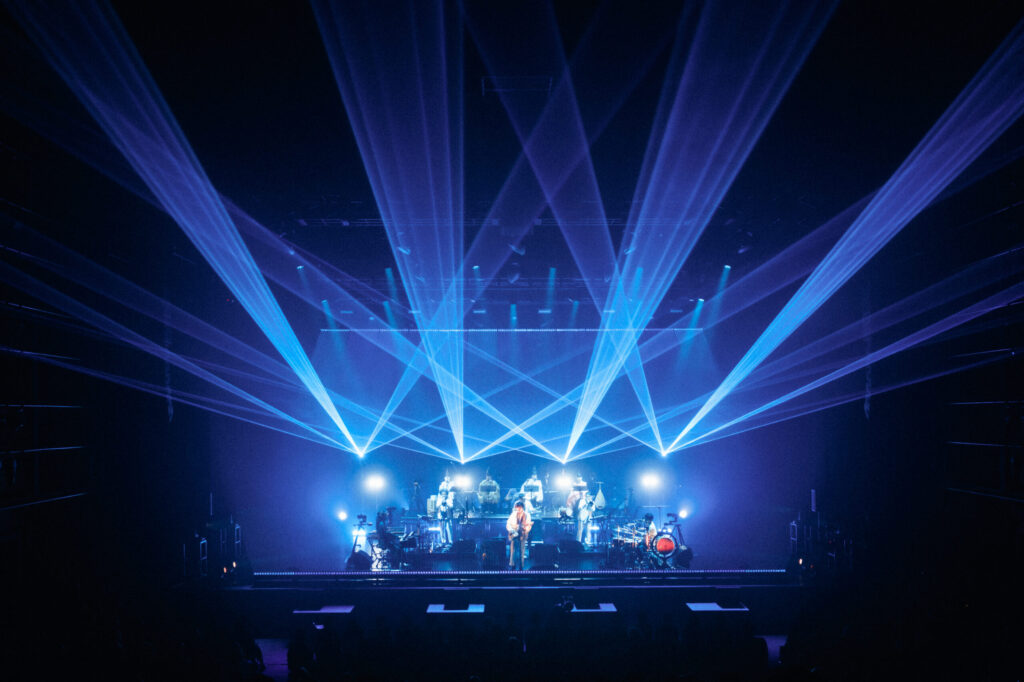
I directed and arranged the music for a concert by ROTH BART BARON and four gagaku musicians at MoN Takanawa’s Kaimon Music Festival on 22 May 2026. Shō, hichiriki, ryūteki and gaku-biwa met the band, bringing its existing songs to life in a new instrumental setting.
I also worked on a programme incorporating classical gagaku and co-created the new song UTUTU. Together with the band, I considered timbre, tuning, rhythm and the way time moves, developing these ideas into the concert.
Live video of Mizu / Umi, performed by ROTH BART BARON and the gagaku musicians. Watch on YouTube
My role and the concert / The arrangements and a conversation with Masaya Mifune / J-WAVE’s concert report (Japanese)
Making music with gagaku instruments involves moving back and forth between ideas on the score and listening to actual sounds. In dialogue with the performers, I consider range, playing techniques, the length of a breath, fluctuations in pitch, and how instruments sound together.
An ensemble may consist solely of shō, hichiriki, ryūteki and gaku-biwa, or combine them with strings, piano and electronics. We can begin thinking together about the music a place needs before the number or choice of instruments has been decided.
For my background and other activities, see About Taro Ishida.
Discuss the music for your project
For me, gagaku is a starting point for composition. The beauty of its timbres, a player’s breathing, the distance between one sound and the next: each has given me a reason to reconsider how I make music.
I sometimes compare music to flowers, stems and roots. The timbres that reach our ears are the flowers; musical structure is the stem; and the environment, ideas and sense of time behind the music are its roots. While I am drawn to the beauty of these instruments’ sounds, I also want to grow music from those roots.
I explore this idea in more detail in The Flowers, Stems and Roots of Music. It is a metaphor I use to think about composition, and a question I return to with each work.
When bringing gagaku and strings together, I am interested in the way time moves within each music. In Taishikichō Netori, I retained the flow of the classical piece while adding violin, viola and cello. Two worlds move in parallel, occasionally touching the same melody. The character of the music emerged from that relationship.
A conversation about Taishikichō Netori / Following the creation of Ranjo
Kotsuka, which I composed in 2014 for Tokyo University of the Arts’ exhibition Beppin no Inori — The Murals of Hōryū-ji’s Main Hall, is a solo work for gaku-biwa. What sounds might someone contemplating the exhibition need? By reducing the ensemble to one instrument, I began to see the relationship between the resonance left by a single note and the exhibition space.
Whether on a large stage or in a quiet room, I consider what music does there. Letting a sound ring out fully, using fewer notes, or waiting in silence: I believe these choices give music a form that belongs to the project.
Making music for the Hōryū-ji murals exhibition / Listen to Kotsuka
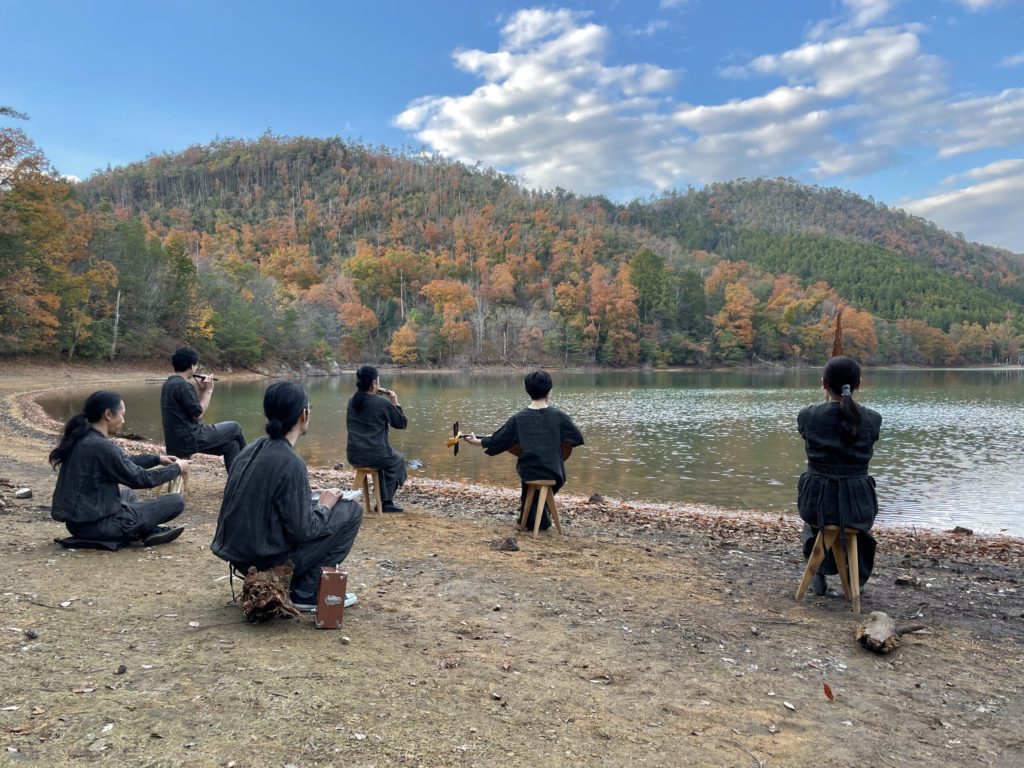
For Domburako, my project with Oorutaichi, we took gagaku musicians to Sawa-no-ike in Kyoto to record outdoors. We adjusted the distance between players and microphones, capturing sounds as they occurred together in that place. The experience of performing amid changes in wind and light also became part of the work.
These experiments connect directly to how I think about music for dedications, museums and architecture. I value getting to know the place where the music will sound, and composing while listening closely to its actual acoustics.
Making Domburako’s Kemono / A 360° recording video at Sawa-no-ike
My work with gagaku also extends into daily broadcasts and the places where people stay. I create music with piano, electronics and regional festival traditions too. Experience of the conditions in which music will actually be used informs each project.

I created the music throughout the programme, including its theme, weather segments and jingles. Working with Western instruments, I brought the sounds and sense of time I had found in gagaku into daily broadcasting. The opening sequence was a collaboration with Shishi Yamazaki.
Making the programme’s music / An essay on the composition (Japanese)

I created music for the spaces of this inn, following the rhythm of a stay: piano in the morning, shō from check-in through the afternoon, and gaku-biwa from dinner into the night. I considered the day through sound, alongside the architecture and the presence of nature. An article on the inn’s official website also describes how the commission came about and how the different music is used.
Creating music for the space / Why the inn chose this music (Japanese)
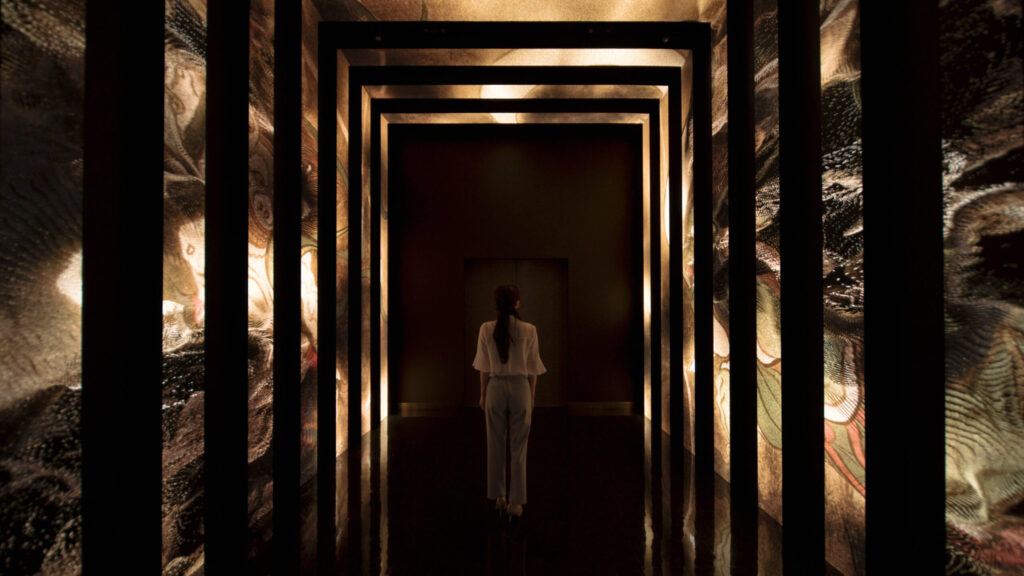
I produced and composed the music for this digital cultural heritage museum. I designed it around the experience of moving through four spaces, including the entrance, films and interactive exhibits. The work involved close collaboration with the teams creating the films and exhibitions.
The museum’s music production / The project documented by collaborator siro (Japanese)

At Night with Art 2020, I arranged and performed music alongside Oorutaichi, mama!milk and musicians from the Kyoto Symphony Orchestra. We developed Kemono, a work that grew from classical gagaku, for a different instrumental ensemble.
For projects involving other instrumental combinations as well as gagaku, see the guide to composition and music direction.
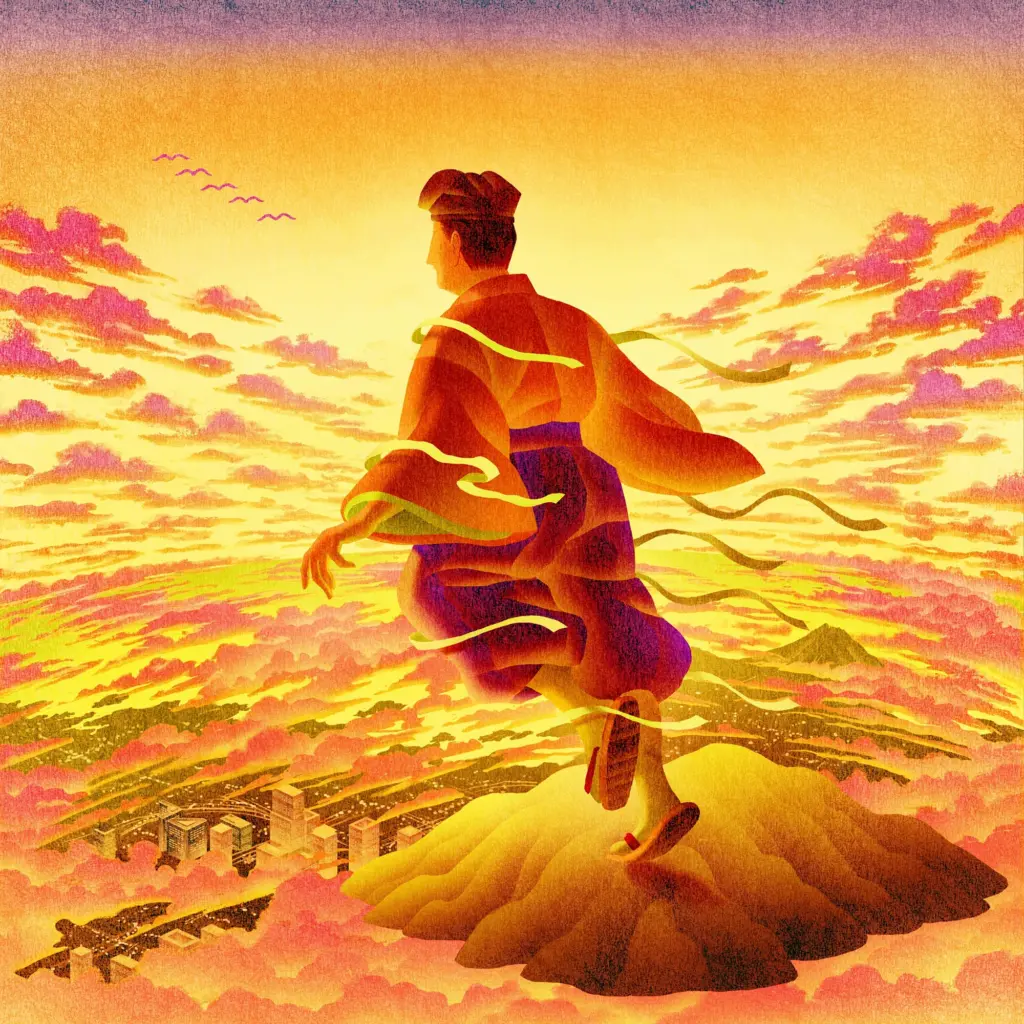
Released in 2025, TOKOYO is an eight-track album for gagaku instruments, strings, piano and electronics. Different sounds inhabit the same world while retaining their individual presence. I explore that relationship through music of my own.
Creating commissioned works and creating from my own questions are connected activities. Moving between them brings ideas to try in the next production and new possibilities to propose.
Listen to the full album / Streaming platforms / About the album and production credits
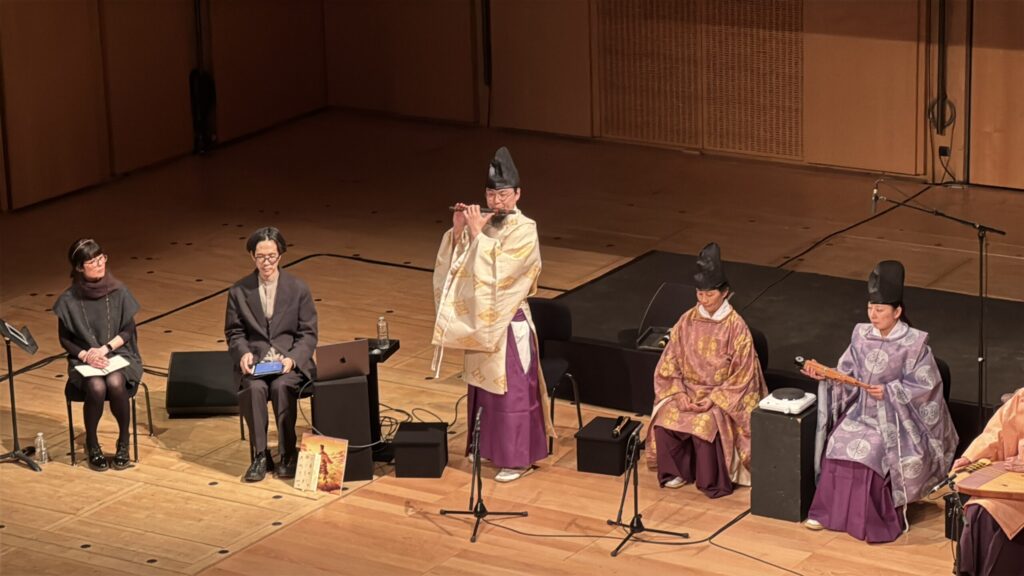
In March 2026, I gave a lecture and presented a TOKOYO concert at the Maison de la culture du Japon à Paris. The performance on 27 March featured gagaku instruments, strings and keyboards. Developing recorded work into live performance, and sharing it with people from different cultural backgrounds, are also important parts of my creative process.
The Paris performances (Japanese) / Official information from the Maison de la culture du Japon à Paris (Japanese)
I am also preparing SIX, a new project with shō player Hanako Nakamura. Through shō, piano and electronics, we will explore further the sense of time within gagaku. Read about what I hope to explore with SIX.
A new composition begins with the purpose of the project, the performers and the setting in which the music will be heard. We can discuss a work for a concert premiere, a particular ceremony, an ensemble's repertoire or a recording.
The instrumentation, score, recording materials, intended use and conditions for future performances are discussed as part of the commission.
This depends on the number and duration of pieces, the ensemble, whether performance or recording is involved, and the scope of my role. After hearing the project outline and your preferred timing, I identify the necessary steps and schedule, then prepare a quotation. Please let me know at the outset if you have a set budget or release date.
Yes. I can join for a specific contribution, such as arranging existing music or producing recordings of Japanese traditional instruments. Please tell me the current stage of production and the role you have in mind.
We confirm the deliverables according to their intended use, whether for live performance, film or playback in a venue. The contents and formats of scores, finished audio and recorded materials are agreed in advance as part of the scope of production.
We confirm permissions and conditions in advance for each production. Please share the intended media, period and scope of use, along with any plans for recording, filming and publication. We also clarify rights in the music and recorded materials, and the terms for using them on another occasion.
If you are considering a production involving shōmyō Buddhist chant, shakuhachi or shamisen alongside gagaku, see the guide to composition, arrangements and recording with Japanese traditional music.
“I would like new music for this place.” “I want to bring the sound of gagaku into a film or stage production.” “I’d like to develop the sound concept together.” You are welcome to get in touch from this early stage.
In your first message, any details you can share about the following will help me consider an approach to the production.
If you have a project proposal or reference music or videos, please include them. The number of pieces and the ensemble do not need to be decided yet. We can begin by considering the form of music that suits your project.
Taro Ishida / Drifter Inc.
Email: mail@drftr.co.jp
Languages: 日本語 · English · Français · Deutsch · Español · Italiano · Português · Русский · 한국어 · 简体中文 · 繁體中文 · العربية · हिन्दी
